
November 16, 2026
Lead Generation for Small Business: 7 Ways to Get More Enquiries

Lead Generation for Small Business: 7 Ways to Get More Enquiries
Every small business needs the same thing: a steady flow of people asking about what it sells. That flow is called lead generation — it separates a business that waits for the phone to ring from one that plans its month. Lead generation for small business is not about buying lists or sending spam — it is about putting something useful in front of the right people so they raise a hand. Interest is rising — searches for “lead generation for small business” more than doubled in the last six months (Google Trends, via GrowAxis, October 2026).
What Is Lead Generation for Small Business?
A lead is a person who has shown interest and given you a way to contact them — a form submission, a phone call, a WhatsApp message, or an email signup. Lead generation is creating those moments on purpose, instead of hoping they happen.
There are two kinds of leads. Inbound leads come to you: someone searches on Google, reads your page, and fills in your form. Outbound leads are the ones you go and find — a message, a call, or an advert shown to someone who matches your customer profile. Start with inbound: it costs less and the leads arrive already interested. SEO leads close at 14.6% versus 1.7% for outbound leads (Search Engine Journal). Aim for 25 to 50 warm leads a month — a volume a small team can follow up on properly.
Lead Generation for Small Business: 7 Ideas That Work
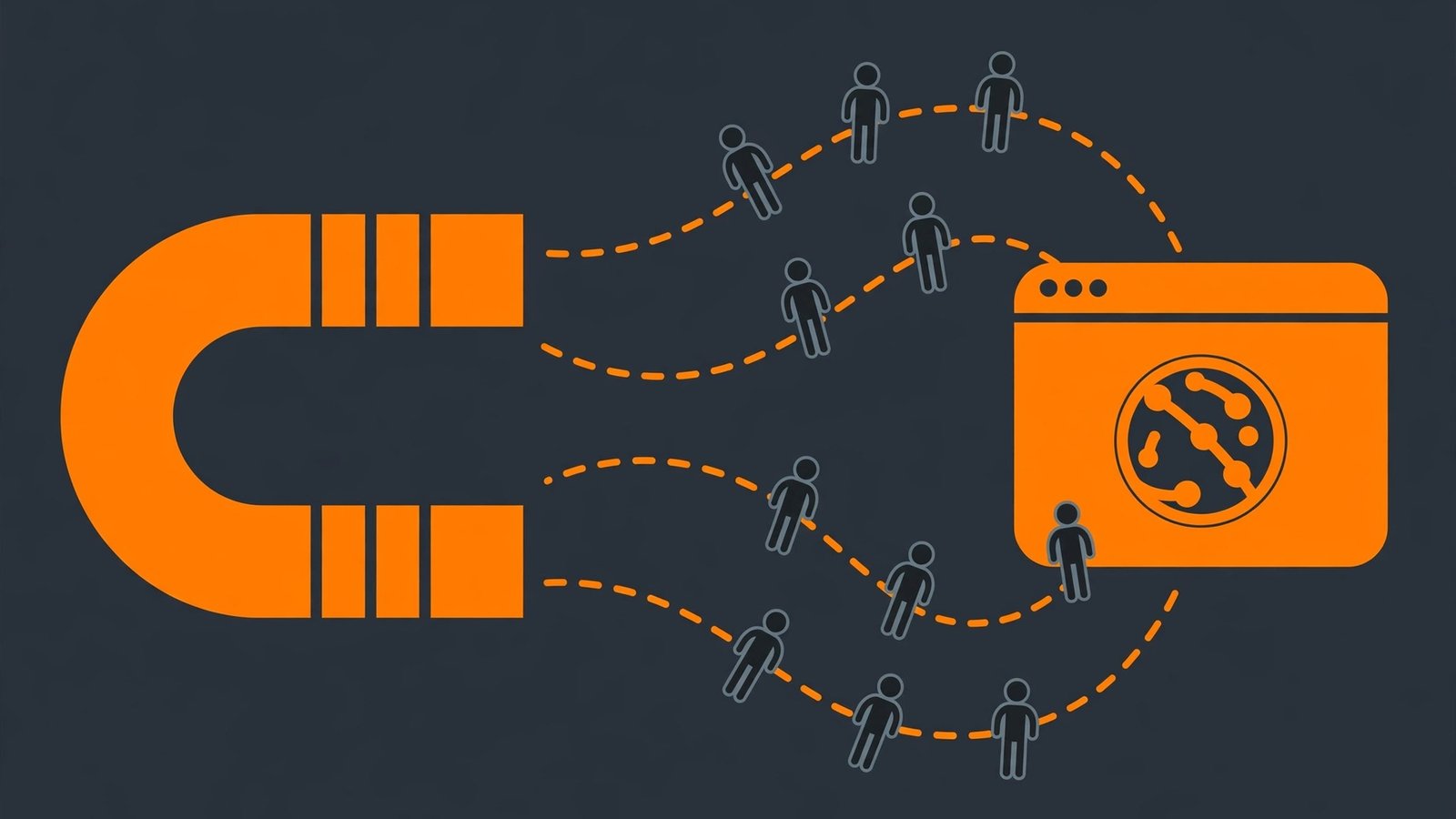
Pick two of these seven ideas, run them for two months, and keep the one that brings enquiries.
- A lead magnet on your best page. Offer something useful for an email address — a checklist, a price guide, a template, or a short video — on your most-visited page.
- A Google Business Profile that asks for the call. Most local searches end in a phone call or a direction request, not a website visit. Keep your profile complete — photos, services, opening hours — and answer every review. See our Google Business Profile setup guide.
- One useful blog post a week. Answer the question your customers ask most. A post that ranks on Google brings leads for months after you write it, while a social media post is gone in a day. See our local SEO for small business guide.
- A short form, not a long one. Every extra field loses people. Ask for a name, a phone number or email, and one line about what they need.
- Fast follow-up. A lead that waits a day goes cold — reply within an hour when you can, even if only to say when you will call back.
- Ask happy customers for referrals: a short message after a good job — “Do you know anyone else who needs this?” — costs nothing and brings the warmest leads of all.
- Retargeting on a small budget. Past visitors who did not enquire are the cheapest audience to reach again — a small advert shown only to them can bring them back to finish the form.
Turn Visitors Into Leads With a Simple Funnel
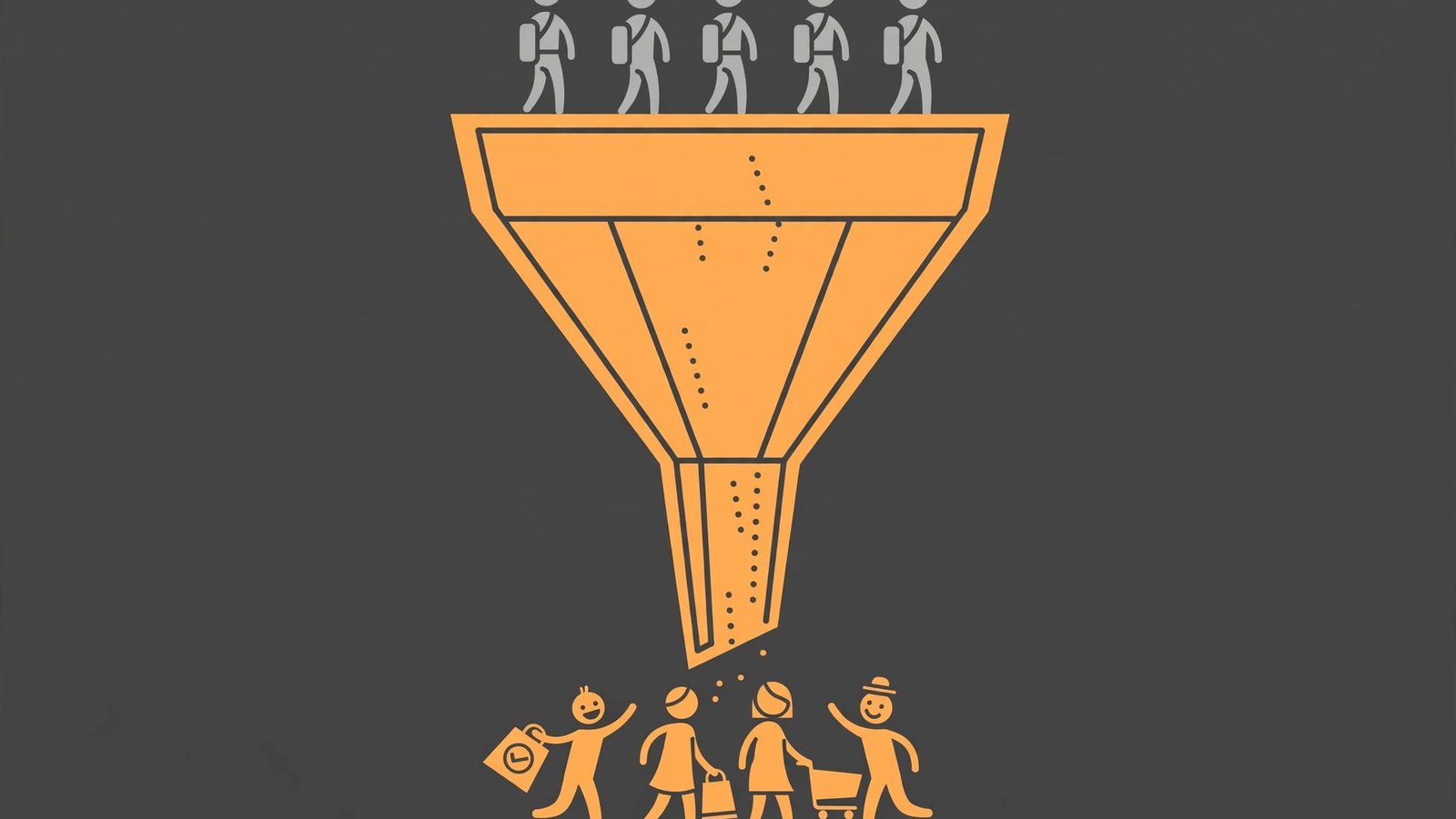
A funnel is the path a stranger takes to become a customer, and yours needs only three steps: the visit (someone arrives from Google, social media, or an advert), the offer (a clear reason to act now — a free quote, a checklist, a consultation, or a discount), and the follow-up (an email or call within a day).
The numbers show where the funnel leaks: Google organic visitors convert to qualified leads at 1.9%, and B2B organic conversion averages 2.7% for SEO against 1.5% for PPC (First Page Sage, Nov 2026). If 100 people visit and nobody enquires, the offer is wrong or the form is broken — fix that before spending more on traffic. If people enquire but never buy, the follow-up is the problem. Track three numbers weekly: visitors, enquiries, and customers won.
What Lead Generation for Small Business Costs
Lead generation does not need a big budget, but it is not free — the cost is your time or a small ad spend. Paid search is the most expensive route: the average cost per lead is $66.69 for Google Search (LocaliQ, 2026). Facebook lead campaigns average $27.39 per lead, and they work best when the form is built into the advert so people never leave Facebook.
Organic lead generation costs time instead of money: writing posts, answering reviews, and keeping your website in shape. It is slower — expect two to three months before a steady flow — but the leads cost almost nothing once the work is done. A sensible split is 70% organic work and 30% paid ads to test messages. When an advert brings leads at a price you can afford, spend more on it; when it does not, stop it and try a different offer. Our Google Ads vs SEO for small business comparison explains the trade-off, and our social media marketing for small business guide shows how social fits the same plan.
Mistakes That Kill Your Lead Generation
The biggest mistake is generating leads you never follow up — a form that sends enquiries to an inbox nobody checks is worse than no form at all. The second is asking for too much too soon: a first-time visitor will not fill in ten fields — they want a small, free first step.
The third is chasing the wrong audience: a thousand visitors who will never buy are worth less than ten who will. The fourth is having no way to capture the visit at all: a website with no form, no phone number, and no WhatsApp button lets every visitor leave without a trace. The fifth is judging a channel after one week — organic lead generation needs two to three months of steady work.
Frequently Asked Questions
How many leads should a small business aim for each month?
For most small and mid-size businesses, 25 to 50 warm leads a month is realistic. At that volume a small team can follow up properly on every lead.
What is the cheapest way to generate leads?
Organic search and referrals cost the least: a useful blog post or a complete Google Business Profile brings enquiries for months, while paid adverts stop the moment you stop paying.
How fast should I reply to a new lead?
Within an hour when you can — leads go cold quickly and the first reply usually wins. Even a short message saying when you will call back beats silence.
Do I need paid ads for lead generation?
No, but a small budget helps you test faster. Start with organic work — your website, your Google profile, and referrals — and add paid ads only to scale a message that already works.
Lead generation for small business is simple: one useful offer, one short form, fast follow-up, and three numbers tracked weekly. Start with two of the seven ideas above and give them two months. If you would like help building that system, take a look at the services Saharan1 offers or get in touch through our contact section.