
November 17, 2026
Web Development for Small Business: A Complete Guide
Web Development for Small Business: A Complete Guide
Web development for small business is the work of building a website that brings in customers — not just a page on the internet, but a fast, mobile-friendly shop window that answers questions, takes enquiries and builds trust while you sleep. Demand for this work is large: “web development” alone draws about 301,000 Google searches a month worldwide, according to KeySearch. This guide explains what web development covers for a small business, what it usually costs, and how to choose the right developer without wasting money.
What Is Web Development for Small Business?
Web development for small business means planning, designing and building a website around one goal: turning visitors into customers. It starts before any code is written, with simple questions: what do you sell, who buys from you, and what should a visitor do on the site — call you, fill a form, buy a product or visit your shop. The answers decide the pages you need. A typical small business website has a home page, a services or products page, an about page, customer reviews and a contact page, plus a way to reach you fast, like a WhatsApp button or a click-to-call link. Development also covers the parts visitors never see: the site must load quickly, work on phones, be safe from hackers and be easy for Google to read. A website that looks beautiful but loads in ten seconds is a failed website, because most visitors leave before it finishes loading.
Why Web Development Matters for a Small Business
A website is the one place online that you fully own. Social media accounts can change their rules or close, but your website stays yours, and it works twenty-four hours a day. For a small business, that matters twice over: customers search at night, on weekends and from other cities, and a good website answers them when your shop is closed. A website also builds trust before the first conversation. Reviews, photos of real work, clear prices and a proper contact page tell a customer you are a real business, not a disappearing page. Our guide on why your business needs a professional website explains this in more detail. Finally, a website collects enquiries while you work. A contact form, a WhatsApp button and a simple booking or quote form turn browsing into business without a single phone call from you.
What Web Development for Small Business Includes
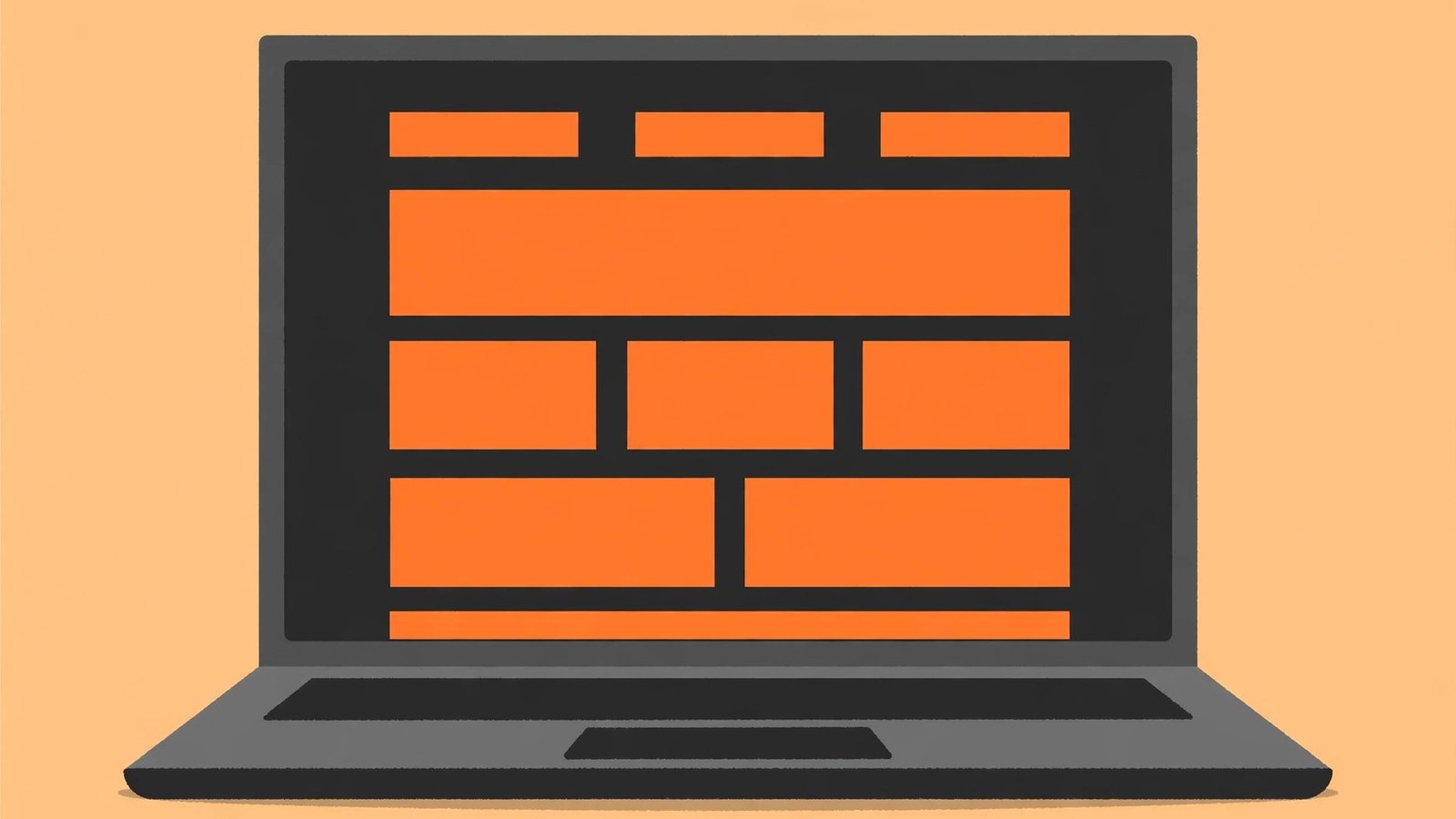
A complete small business website usually includes the same set of pieces, and it helps to ask for them as one package.
- Planning and structure. The pages, the menu and what each page must do. A site with too many pages confuses visitors; a site with too few leaves their questions unanswered.
- Design. The look of the site — colours, fonts, photos and layout — matched to your brand so the website feels like the same business as your shop and social media.
- Mobile-friendly build. More than half of visitors arrive on a phone, so the site must work perfectly on small screens first, not as an afterthought.
- Speed and security. Fast loading, an SSL certificate so the address starts with https, regular backups and protection against spam and hacking attempts.
- Contact and sales tools. A contact form, click-to-call, a WhatsApp button, a map and, for shops, a simple way to show products and prices. If you sell online, read our ecommerce website for small business guide before choosing a shop setup.
- Search basics. Page titles and headings written so Google understands each page, plus a sitemap and Search Console connection so you can see how the site performs.
How Much Does Web Development Cost?
Prices vary widely, because a simple five-page website and an online shop are different jobs. As a general market range, a basic small business website often costs somewhere between a few hundred and a few thousand dollars, depending on the number of pages, the design quality and the developer’s location. An online shop with payments and product pages costs more, and a fully custom build costs more again. Our detailed guide on how much a small business website costs breaks these ranges down with market sources. Ongoing costs are smaller but real: domain renewal each year, hosting each month, and occasional updates. A website builder can look cheaper at first — our best website builder for small business guide compares the options — but a builder site you cannot fully control often costs more in time and limits later. Three things keep costs under control: agree on a fixed price for a fixed list of pages and features, ask what is included after launch, and make sure you own the domain, the hosting account and the website files.
How to Choose a Web Developer

Choosing well matters more than choosing cheaply, because a bad website stays online, driving customers away, until someone pays to fix it. Start by looking at the developer’s finished websites, not their promises. Open three or four on your phone and check: do they load fast, is the text readable, can you find the phone number in seconds. Then ask who owns what: you should own the domain, the hosting and the website itself. If a developer holds those, you cannot leave without losing your site. Ask what happens after launch: who fixes a broken form, who updates the software, and what does that cost. A developer who disappears after payment is the most common complaint in this business. Finally, agree in writing on the pages, the features, the delivery date, the number of revision rounds and the final price. A short written agreement protects both sides and is the mark of a professional.
Frequently Asked Questions
How much does web development cost for a small business?
A basic small business website often costs between a few hundred and a few thousand dollars as a general market range, depending on pages and design. An online shop costs more. Yearly domain and monthly hosting are small extra costs. Always agree on a fixed price for a fixed list of pages before work starts.
How long does it take to build a small business website?
A simple website usually takes two to four weeks, including revisions. An online shop takes four to eight weeks. The biggest delay is usually content — photos, text and prices from the business owner — so preparing those early saves the most time.
Should I use a website builder or hire a developer?
A builder suits a very simple site with a tiny budget, and you can start fast. A developer suits a business that needs a custom design, speed, proper SEO and room to grow. Many small businesses start with a builder and move to a developer when the site starts bringing real enquiries.
Do I need a new website if I already have social media pages?
Yes. Social media is rented space — rules change and accounts can close. A website is yours, it works around the clock, and it is the place Google shows when customers search for your business by name. Social media should send people to your website, not replace it.