
November 16, 2026
LinkedIn Marketing for Small Business: Win B2B Clients Without a Big Budget
LinkedIn Marketing for Small Business: Win B2B Clients Without a Big Budget
LinkedIn is where business decisions are made. When a company needs a supplier, a designer, an accountant, or a marketing agency, the person choosing usually checks LinkedIn first. LinkedIn marketing for small business works because it puts you in front of decision-makers, not casual scrollers. This guide explains the five steps to start, what to post, and how to use ads without wasting money.
Why LinkedIn Works for Small Business
LinkedIn has more than 1 billion professionals on the platform, according to 2026 strategy guides, and it generates 80% of all B2B social media leads, according to the Sales.so 2026 LinkedIn Marketing Statistics report. LinkedIn generates leads for 62% of B2B marketers, and conversion rates on the platform run roughly twice as high as on other social channels, according to 2026 strategy research. Those numbers matter because they describe buyers, not browsers: the people on LinkedIn are at work, thinking about work, and open to a supplier who can solve a problem.
LinkedIn also rewards expertise, not budget. A useful post from a one-person business can reach the same decision-makers as a post from a large agency. Personal profiles generate roughly 5 to 8 times more engagement than company pages, according to 2026 founder guides, so the owner’s profile is the strongest asset a small business has on LinkedIn. You need a clear profile, a useful opinion, and the habit of posting twice a week.
LinkedIn Marketing for Small Business in 5 Steps
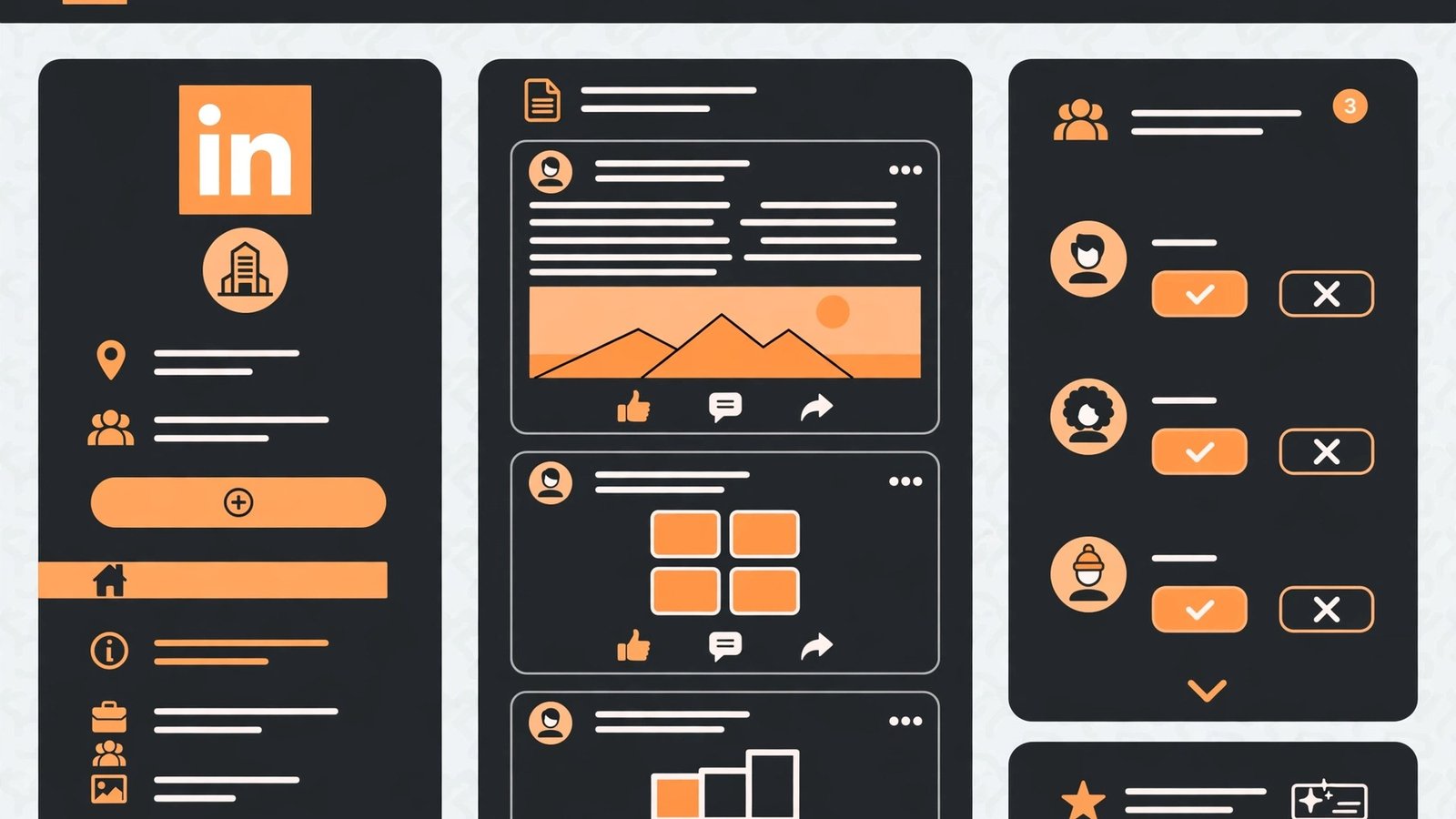
You can set up and post your first piece of content in one afternoon. Follow these steps in order.
- Fix your personal profile first. Use a clear headshot, a headline that says who you help and how, and a summary that reads like a short sales page. Say “I help small shops get more customers from Google” rather than just “Founder”.
- Create or complete your Company Page. Add your logo, a short description, your website, your location, and your services. A complete Company Page gets more weekly views than an empty one, and it gives your personal posts somewhere to link back to.
- Connect with 50 real people. Send connection requests to past clients, suppliers, and people in your target industry. Write one short line with each request, such as where you met, instead of sending a blank request.
- Post twice a week. Share one useful post and one story each week. A useful post teaches something in a few short paragraphs; a story post shows a real job or result. Keep posts short, use line breaks, and end with a question so people reply.
- Start conversations, not broadcasts. Spend ten minutes a day commenting on other people’s posts with real thoughts, not “Great post!”. Comments put your name in front of their audience, and they are how most small accounts grow on LinkedIn.
After a month of posting twice a week, check your analytics. The posts that got comments and profile visits are the ones to make more of, and the posts that got nothing are the ones to stop making.
What to Post on LinkedIn

Small businesses do best with four kinds of posts. The first is the lesson post: one mistake you see clients make, and how to fix it, in five short paragraphs. The second is the result post: a real outcome with numbers, such as a client whose website visits doubled in three months.
The third is the behind-the-scenes post: a photo of your team at work or a problem you solved this week. People buy from people they trust. The fourth is the question post: ask your audience one clear question. Questions get more comments than any other format. Post 2 to 3 times a week, the pace 2026 LinkedIn guides recommend, and keep each post focused on one idea.
LinkedIn Marketing for Small Business With Ads
Organic posting is free, but LinkedIn ads can speed things up when you have a clear offer. Sponsored Content costs $6 to $16 per click for most B2B campaigns, and the average cost per thousand impressions sits around $28 to $33, according to Stackmatix’s 2026 guide. The clicks are decision-makers, not casual browsers, and the average cost per lead for B2B ranges from $50 to $150, according to 2026 pricing research.
Start small. LinkedIn requires a $10 a day minimum budget, and most practitioners recommend $1,000 to $2,000 a month per campaign. Before you spend anything, test the message organically: if a post gets comments and profile visits for free, it is worth boosting. Use Lead Gen Forms, which pull contact details from a person’s profile: they convert at a 13% average rate, versus 4.02% for standard landing pages, according to 2026 cost research. Send ad clicks to a page with one clear action, such as booking a free call.
Mistakes That Waste Your LinkedIn Effort
The most common mistake is treating LinkedIn like a noticeboard. Posting only company news and links to your blog gets almost no engagement. Post useful ideas and real stories instead.
The second mistake is connecting with everyone and talking to no one. A thousand connections you never speak to are worth less than fifty people you help. The third mistake is selling in the first message. Help first, sell later: comment on their posts, and only pitch when they show interest.
The fourth mistake is posting and disappearing. Answer every comment on your own posts the same day. The fifth mistake is giving up after two weeks. A realistic timeline is one month to get the rhythm right, two to three months for engagement to appear, and six months for the compound effect to build. Our guide to social media marketing for small business explains how LinkedIn fits into a wider plan, and our guide to digital marketing strategies for small business covers the other channels to pair it with.
Frequently Asked Questions
Is LinkedIn marketing free for small business?
Posting and commenting are free, and a Company Page costs nothing. Paid ads are optional, with a $10 a day minimum budget.
How often should a small business post on LinkedIn?
Two to three times a week. Consistency matters more than volume: two useful posts every week beat seven forgettable ones.
Should I post from my personal profile or my Company Page?
Both, but your personal profile matters more. Personal profiles generate roughly 5 to 8 times more engagement than company pages, so post from your own profile first.
Can LinkedIn work for a business that sells to consumers, not other businesses?
It can, but it is weaker. LinkedIn is built for B2B. A shop selling directly to the public will usually do better on Instagram or TikTok.
LinkedIn marketing for small business comes down to a simple system: a clear profile, a complete Company Page, 50 real connections, two useful posts a week, and ten minutes a day of commenting. Give it six months of steady work. If you would like help building your LinkedIn presence, take a look at the services Saharan1 offers or get in touch through our contact section.