
November 25, 2026
Graphic Design for Small Business: What You Actually Need (and What Can Wait)
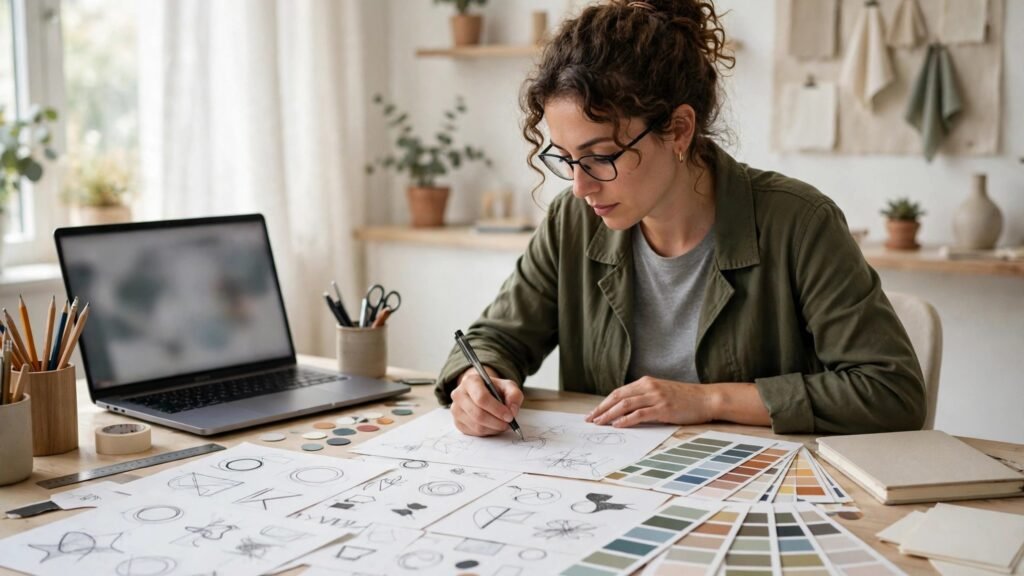
People decide whether to trust a business within seconds of seeing it. Before they read a single word, they notice your logo, your colors, your website and your social media posts. If those look rushed or don’t match, customers quietly move on to a competitor who looks more professional, even if your product is better.
That’s why graphic design for small business isn’t a luxury. It’s one of the first things that turns a curious visitor into a paying customer. The problem is that most owners don’t know where to start, what to spend money on first, or how to work with a designer. This guide answers all three.
Why graphic design matters for small businesses
Good design does three practical jobs for a small business:
It builds trust. A clean, consistent look tells customers you’re established and reliable. It makes you memorable. Strong colors, a clear logo and a recognizable style help people remember you and find you again. It helps you sell. Clear menus, flyers, product labels and ads guide people toward buying instead of confusing them.
Consistency is the real goal. Your business card, website, Instagram and storefront should all feel like they come from the same brand.
What graphic design does a small business need?
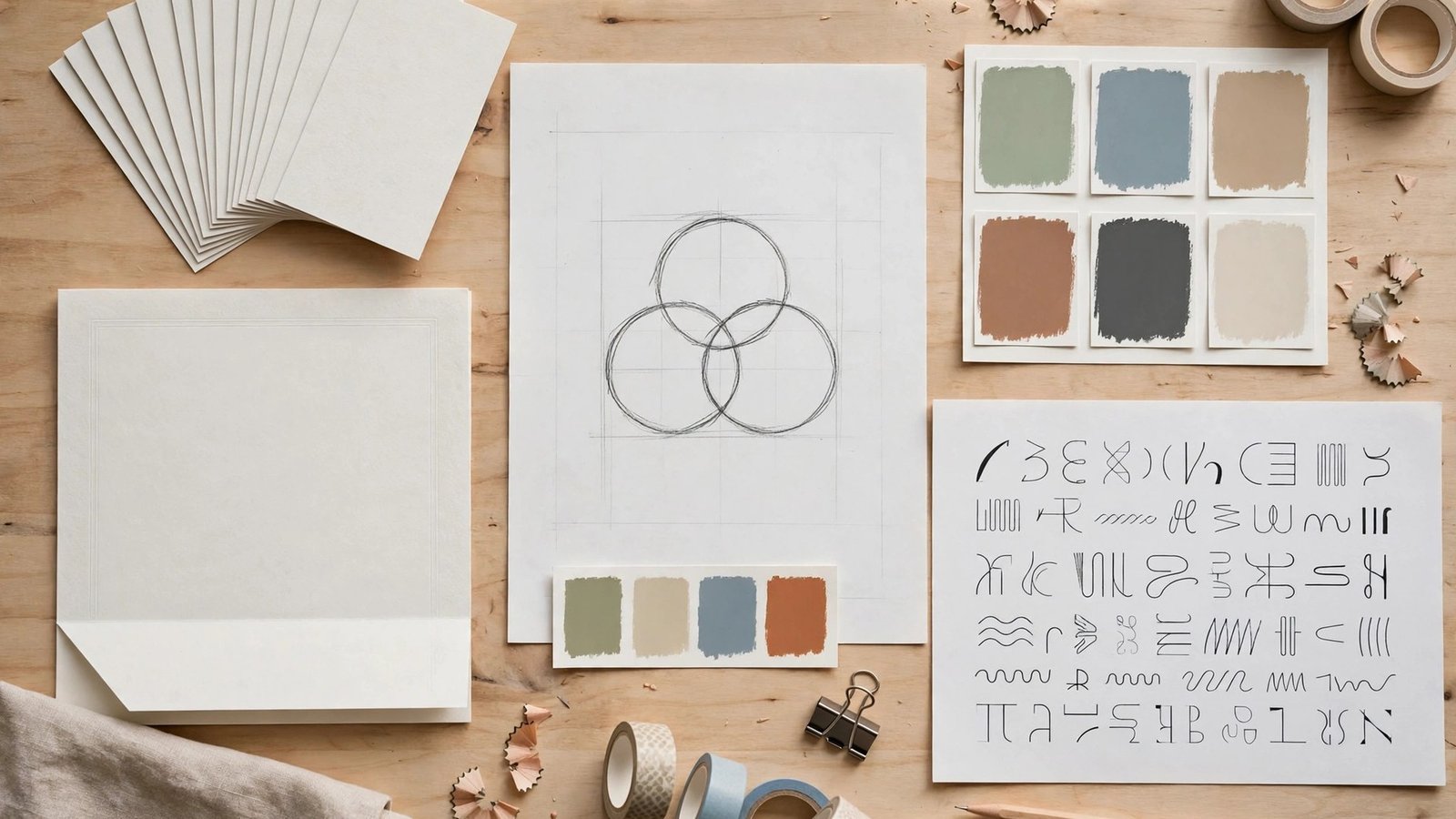
You don’t need everything on day one. Here’s a practical order that works for most small businesses in the USA.
1. Logo design
Your logo is the face of your brand. A good small business logo is simple, works in one color, and is still clear when it’s tiny on a phone screen or large on a sign. Ask for several versions: a full logo, a compact icon version, and black-and-white versions.
2. Brand identity design
Brand identity design goes beyond the logo. It’s the set of rules that keeps everything looking consistent:
Color palette: two or three main colors plus a few supporting ones Typography: one font for headings and one for body text Brand guidelines: a short document showing how to use your logo, colors and fonts correctly
If you’re choosing brand colors yourself, our free color picker helps you find exact color codes so they match everywhere.
3. Website and digital graphics
Your website is often the first place customers see your brand. You’ll need banner images, icons, service graphics and images that load quickly on mobile. Every visual should match your brand identity, not just look nice on its own.
4. Social media graphics
Most small businesses post on Instagram, Facebook or LinkedIn. Simple, reusable templates for posts, stories and ads save time and keep your feed looking professional and consistent. Once you have templates, you or your team can create new posts in minutes.
5. Marketing materials
Depending on your business, you may need:
- Business cards and letterheads
- Flyers, brochures and posters
- Menus for restaurants and cafés
- Packaging and product labels for retail and ecommerce
- Signs and banners for events and storefronts
Tip: adding a QR code to printed materials connects offline customers to your website or booking page. You can create one with our free QR code generator.
Freelancer vs agency: which is right for you?

Both options can work. The right choice depends on what you need.
A freelance graphic designer is often a good fit when:
- You need one specific item, like a logo or a flyer
- Your budget is tight
- You’re comfortable managing the project yourself
A design agency is often a better fit when:
- You need a full brand identity plus website and marketing graphics
- You want design, web development and marketing to work together
- You want one team responsible for consistency and deadlines
Many growing businesses start with a freelancer for a quick logo, then move to an agency when they need everything to work together as one brand.
How to hire a graphic designer (and get great results)
Check their portfolio
Look for work similar to what you need and for businesses like yours. A strong portfolio shows range, but also a clear sense of style and detail.
Write a clear brief
A good brief saves time, money and rounds of revisions. Include:
- What your business does and who your customers are
- What you need designed and where it will be used
- Two or three brands whose style you like, and why
- Colors or styles you want to avoid
- Your deadline and budget
Agree on files and ownership
Before you start, confirm you’ll receive the final files in the formats you need, such as vector files (AI, SVG or EPS) for printing and PNG files for web use. Make sure you’ll own the rights to the final design.
Plan for revisions
Most designers include a set number of revision rounds. Gather feedback from everyone involved before replying, so you can give clear, combined comments in one go.
Common graphic design mistakes small businesses make
Using too many colors and fonts, which makes a brand look messy Choosing a logo that only works large, so it becomes unreadable on phones and social media icons Copying a competitor’s style, which makes you forgettable and can cause legal problems Using low-quality or stretched images on your website and social media Changing your look every few months, before customers have a chance to recognize it
For quick fixes, like cleaning up product photos for your online store, our free background remover can give you clean, professional-looking images in seconds.
Frequently asked questions
What graphic design does a small business need first?
Start with a logo and a simple brand identity (colors and fonts). Once those are set, everything else, like your website, social media graphics and marketing materials, becomes faster and more consistent to create.
Should I hire a freelance graphic designer or an agency?
A freelancer works well for single, small projects on a tight budget. An agency is usually better when you need a full brand identity, website and ongoing marketing design handled by one team.
How long does logo design take?
A simple logo project usually takes one to three weeks, depending on how many concepts and revision rounds are included and how quickly feedback is given.
What files should I get from my graphic designer?
Ask for vector files (AI, SVG or EPS) for print and resizing, PNG files with transparent backgrounds for web and social media, and a short brand guidelines document if you’re getting a full brand identity.
How much should a small business spend on graphic design?
It depends on how much you need and who you hire. Treat design as part of your overall marketing plan rather than a one-off cost. Our guide to planning a small business marketing budget can help you decide how much to set aside.
Ready to give your business a professional look?
Great graphic design helps small businesses look trustworthy, stand out and sell more. Start with a strong logo and a clear brand identity, then build consistent website, social media and marketing designs on top.
If you’d like a team that handles it all, from logo and brand identity to website graphics and social media templates, Saharan1 can help. Get a free consultation and tell us about your business. We’ll suggest the designs that will make the biggest difference first.