
November 17, 2026
Landing Page Optimization: Turn More Visitors Into Customers
Landing Page Optimization: Turn More Visitors Into Customers
A landing page has one job: turn a visitor into an enquiry, a signup, or a sale. Most small business pages fail at it quietly — the advert works, people click, they arrive, and then they leave. Landing page optimization is the work of fixing that gap: changing the headline, the form, the speed, and the trust signals until more of the people who arrive actually act. It matters because traffic is the expensive part — once someone is on your page, every extra conversion is almost free.
What Landing Page Optimization Really Means
Landing page optimization means improving a single page so a higher share of its visitors take the action you want. That share is the conversion rate: if 100 people visit and 3 enquire, your conversion rate is 3%. Small changes move that number more than most owners expect, because the page is the last step before the customer decides.
A landing page is different from a homepage: a homepage serves everyone and links everywhere, while a landing page serves one audience, makes one promise, and asks for one action. That focus makes it measurable. Before you build or fix one, choose a keyword with real demand: monthly volume above 100 with commercial or transactional intent — people looking to buy, not just to learn. Pick one primary keyword and two or three supporting keywords, and check difficulty and traffic potential first.
The 7 Parts of a High-Converting Landing Page
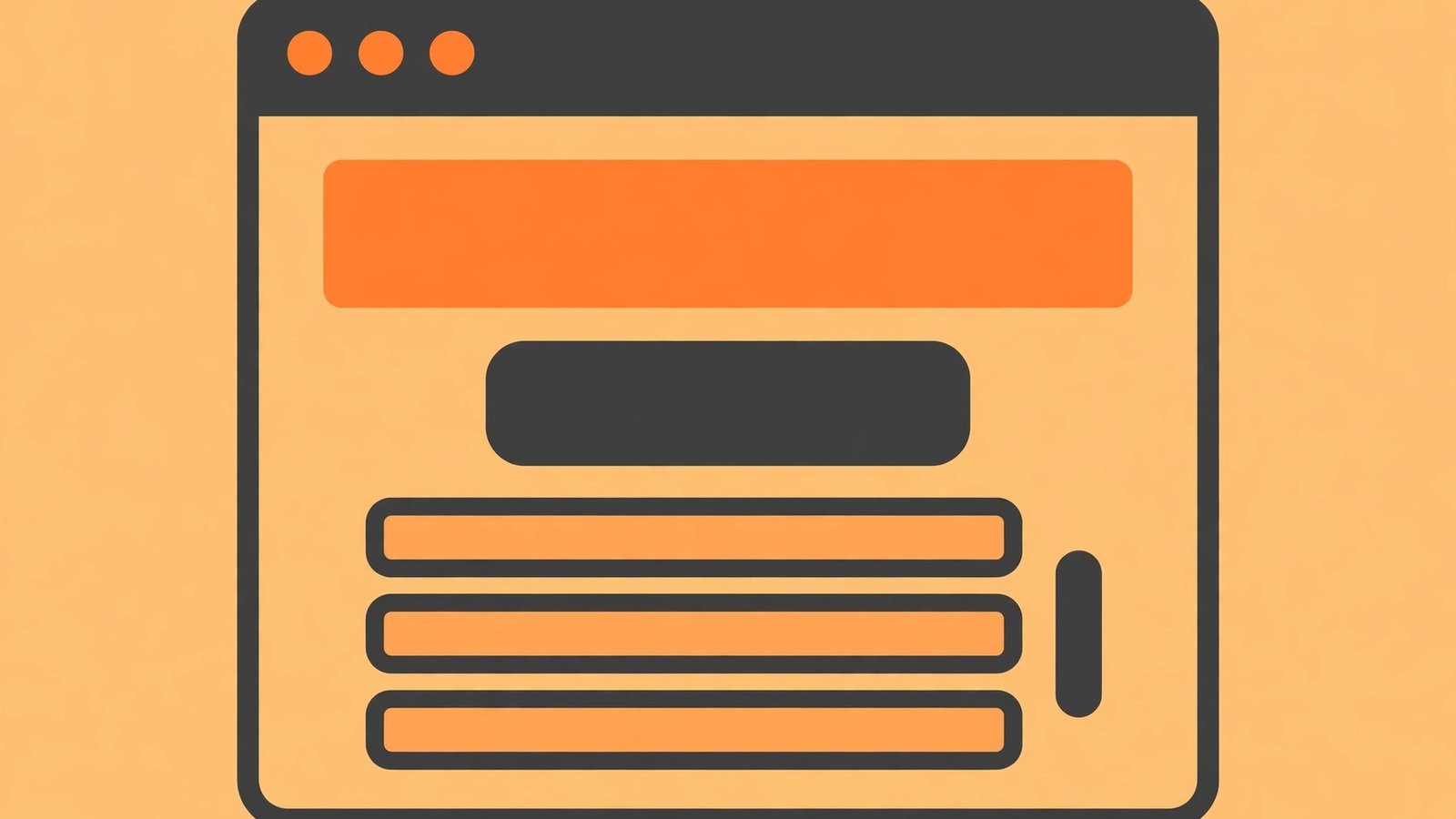
Every landing page that converts well has the same seven parts.
- A headline that matches the click. The visitor clicked an advert or a search result with a promise in mind, so the headline must repeat it in the first three seconds. If the advert said “Free SEO Audit”, the headline should say it too — not “Welcome to Our Website”.
- One clear offer. A free quote, a checklist, a consultation, a trial — one offer, in one sentence. Two offers split attention and halve the response.
- A short form. Name, phone or email, and one line about what they need — every extra field loses people, so ask for the minimum and collect the rest on the call.
- Trust signals. Reviews, client logos, a real photo, or a short result statement — people buy from businesses they trust.
- One call to action, repeated. The same button — “Get My Free Quote”, for example — at the top, middle, and bottom, easy to find wherever the visitor stops scrolling.
- A fast load. A slow page loses visitors before they read a word — compress images, keep the page light, and test it on a phone, because most visitors arrive on mobile.
- No distractions. Remove the main navigation menu, the sidebar, and links to other pages — every link out is an exit from the one action you want.
Landing Page Optimization for Search Traffic
A landing page can also bring visitors from Google, not just adverts — that needs a little SEO work on top of the conversion work. Give the page one primary keyword in the title, the H1, and the first paragraph, and use supporting keywords in the subheadings. Almost all searches are long-tail — 92% of all search queries, according to Semrush — so target the specific phrases your customers type, such as “plumber in Lahore” rather than just “plumber”.
Keep the page focused on one topic so Google understands it, and add enough content to answer the visitor’s questions — how it works, what happens next, and what it costs in general terms. Link to the page from your homepage or your most-visited blog post so Google finds it and visitors can reach it. Then be patient: most landing pages need several weeks to a few months before organic traffic grows meaningfully. Our guide on why your business needs a professional website explains what a good business site should include, and our best website builder for small business comparison helps you choose where to build the page.
Test One Thing at a Time

Optimization is testing, not guessing: change one thing, measure for one or two weeks, and keep the winner. This is called A/B testing — half your visitors see version A and half see version B, and you compare the conversion rates.
Start with the tests that matter most: the headline first — it is the first thing anyone reads — then the offer (a free consultation against a free checklist, for example), then the form length and the button text. “Get My Free Quote” usually beats “Submit”, because it says what the visitor gets. Test on real traffic, and do not stop a test after a day — small pages need a week or two to collect enough visitors for a fair result. Write down every test and its result. If your page also needs to load faster, our guide on how much a small business website costs covers the factors that affect build quality and speed.
Common Landing Page Mistakes
The most common mistake is sending advert traffic to the homepage: it has ten links and no single action, so visitors wander and leave. Always send paid traffic to a dedicated landing page. The second is a headline about your business instead of the customer’s problem: “We are a leading agency” means nothing to a visitor; “Get more customers from Google this month” does.
The third is hiding the form below the fold, so visitors must scroll before they can act. The fourth is asking for too much information. The fifth is a page that looks different from the advert that sent the traffic — different colours, different words, different offer. That mismatch makes visitors feel they clicked the wrong link, and they leave in seconds.
Frequently Asked Questions
What is a good conversion rate for a landing page?
It depends on the industry and the offer, but improve your own number rather than chase someone else’s: a page converting at 2% that you lift to 4% has doubled its results without spending more on traffic.
How long should a landing page be?
As long as it needs to answer the visitor’s questions and no longer. A simple offer needs a short page; an expensive service needs more proof and reassurance before the visitor will act.
Should a landing page have a navigation menu?
No. Remove the main menu and all links that lead away from the page — every exit is a lost conversion.
How long does landing page optimization take to show results?
Paid traffic tests show results in one to two weeks. Organic search traffic takes longer — several weeks to a few months — because Google needs time to find and rank the page. Test paid traffic first, then let search traffic build.
Landing page optimization is a habit, not a project: one page, one offer, one clear action, then one test at a time — fix the headline, shorten the form, add proof, and remove the exits. If you would like help building or improving a landing page, take a look at the services Saharan1 offers or get in touch through our contact section.